
How can resources be kept in circulation long-term? What role do material quality, product data, and circular design play in the development of circular products and buildings? And how can appropriate solutions be successfully brought to market economically?
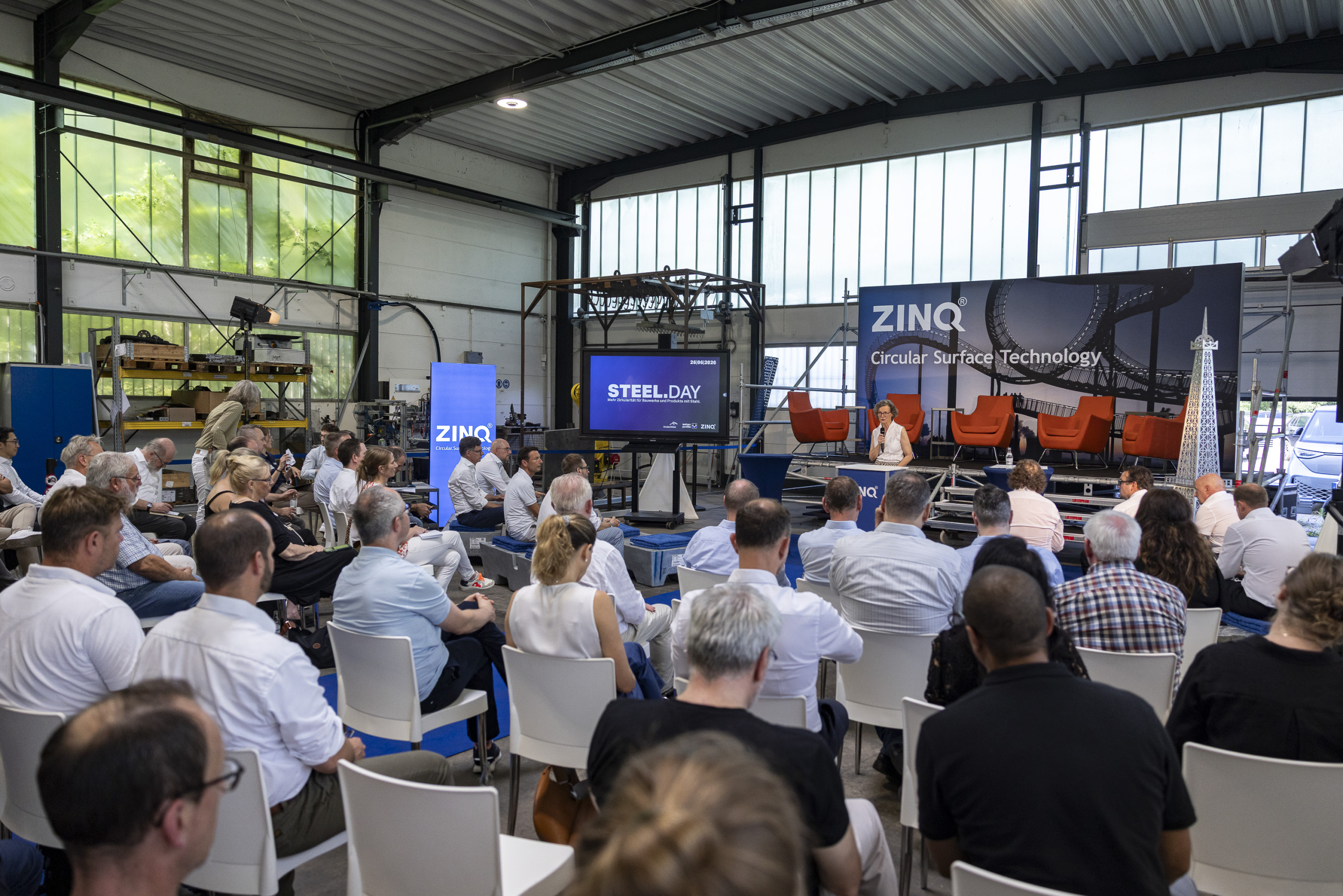
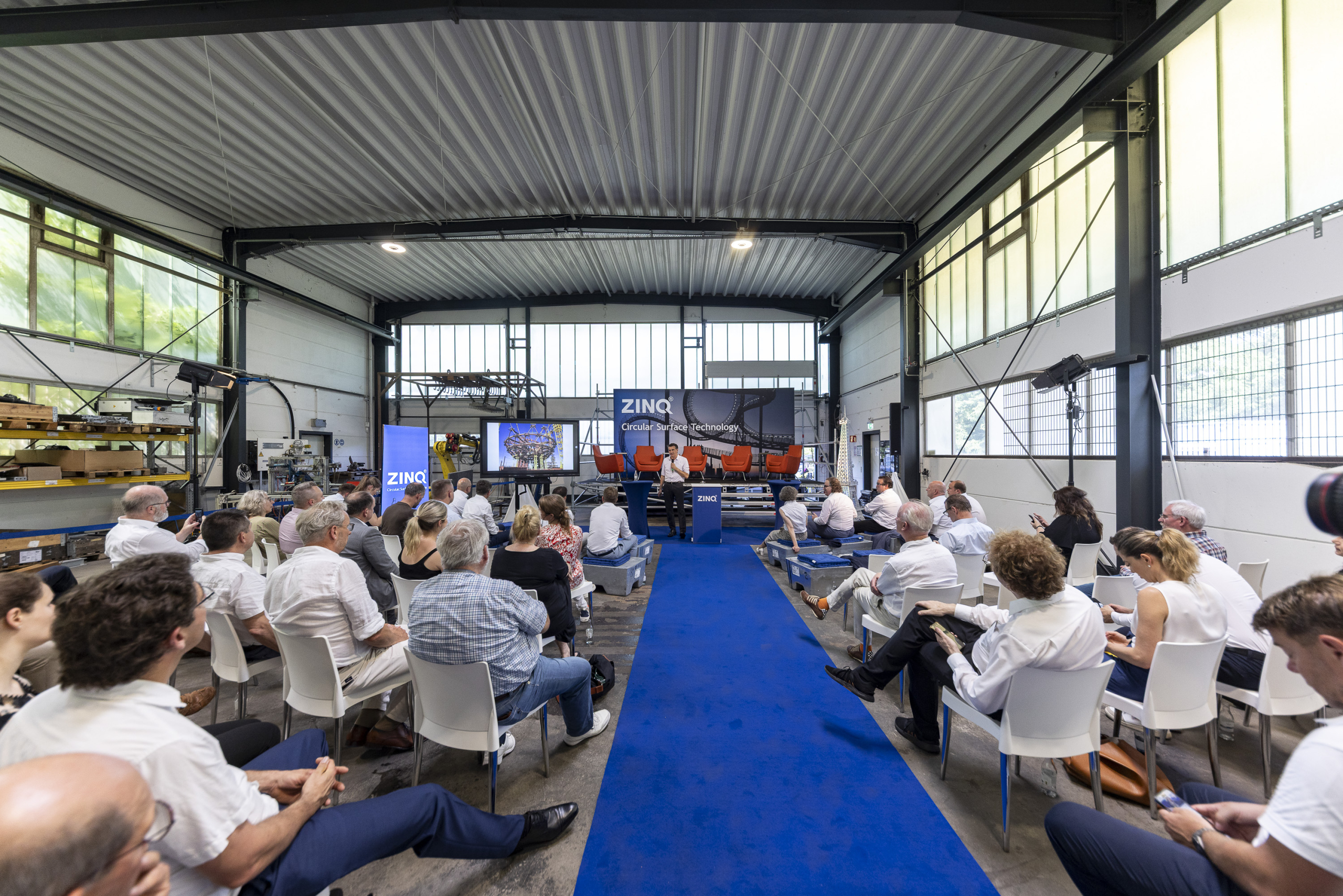
The STEEL.DAY addressed these questions. Together with ArcelorMittal Steligence® and Welser Profile, ZINQ brought together over 100 representatives from industry, construction, science and politics to discuss concrete solutions for greater circularity in construction and industry.
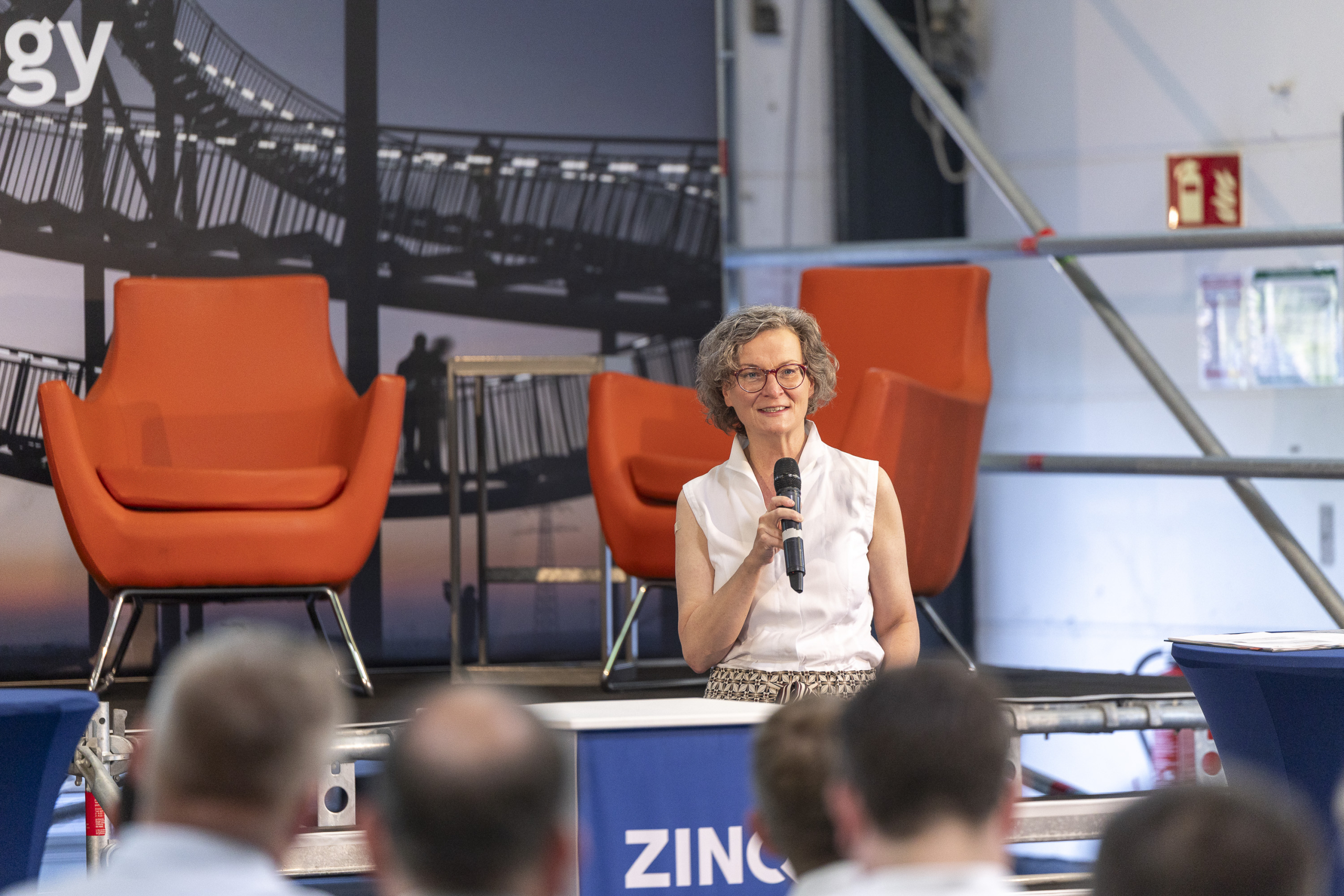
The event was opened by NRW Construction Minister Ina Scharrenbach, who made clear in her keynote the importance of the topic: „Circularity is not a niche issue.“ Circular economy is a crucial building block for resource security, resilient value chains, and the competitiveness of construction and industry.
Circularity only succeeds when we work together
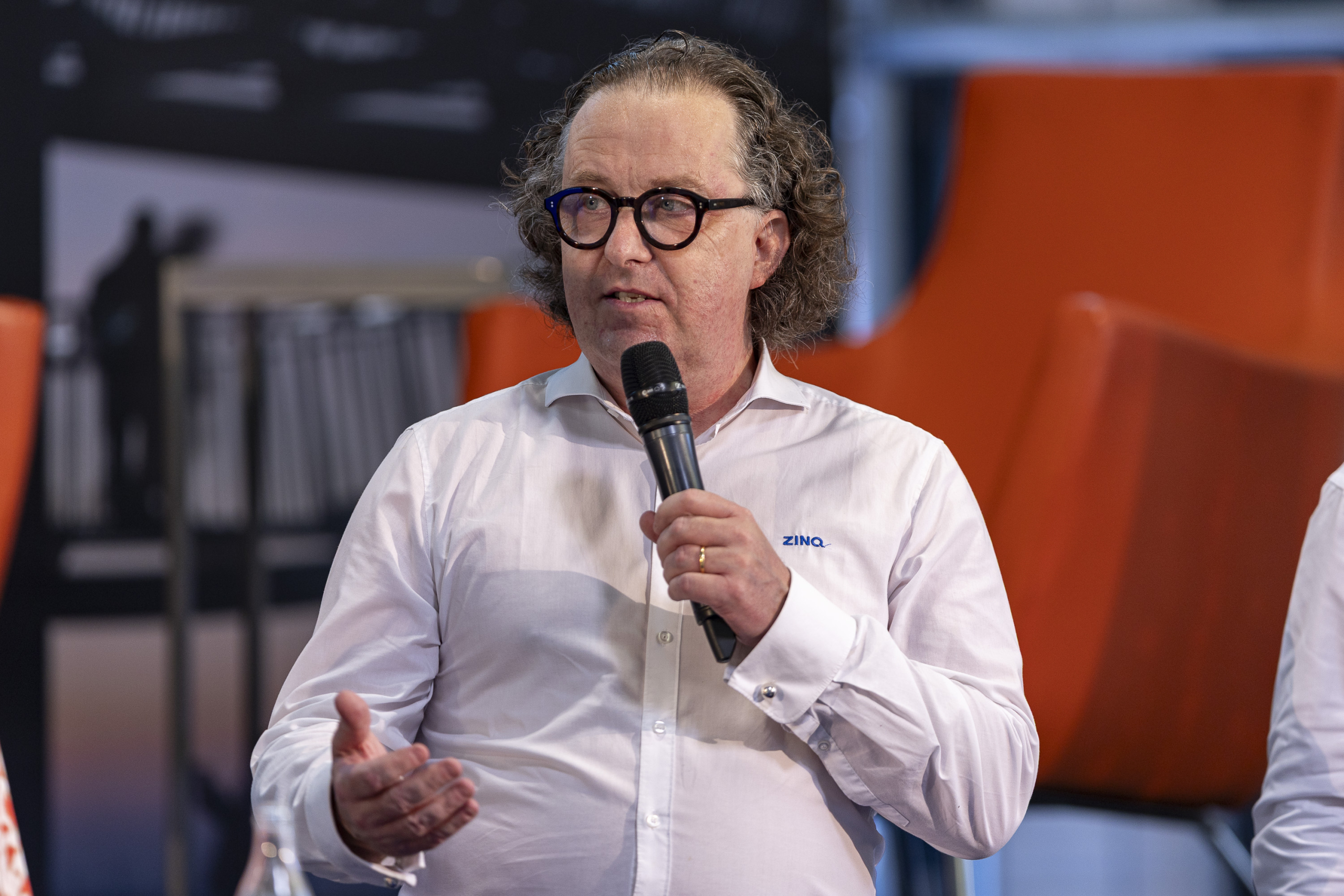
A functioning circular economy requires the collaboration of all stakeholders – from material production and product development to planning, construction, and subsequent use and reuse. Cooperation along the value chain was therefore a key topic at STEEL.DAY. „A circular economy cannot be achieved single-handedly. The crucial task now is to take successful approaches out of their niche and into the mainstream together, making circularity the standard in construction and industry,“ emphasised Lars Baumgürtel, Managing Director of the ZINQ Group.
Circularity begins with product design
For Prof. Dr. Michael Braungart, Circular Economy doesn't begin with recycling, but with design: „Products must be designed in such a way that they permanently retain their value and quality and can be repeatedly used for new purposes. Steel offers special qualities here: As a technical nutrient, it can be used in a high-quality and virtually unlimited way. Circular and material-healthy surfaces are therefore crucial so that its quality is maintained and it can repeatedly become part of new applications.“
This rethinking means for the construction industry, explained Roland Bechmann of Werner Sobek.
in his presentation. He made it clear how existing building materials can be used in a material-appropriate way to conserve resources and how buildings can be planned for long-term use and the reuse of their components. „The transformation to a low-emission construction industry requires the material-appropriate use of existing building materials. Steel can be an enabler in this: for lightweight, resource-efficient structures, circular material concepts, reusable components, and an optimised emissions balance,“ explained Bechmann.
From idea to practice
For materials in buildings and products to be reused later, a common data foundation is required. Christian Donath, ECO Platform AISBL, explained the importance of standardised product information, Environmental Product Declarations (EPDs) and Digital Product Passports for transparency and comparability.
The subsequent practical examples showed that these approaches are already working today. Oliver Wittke, spokesperson for the board of the Rhein-Ruhr Transport Association (VRR), made it clear what role public procurement can play in this. Instead of specifying concrete routes, the VRR formulated the goal in the tender of ensuring mobility for 30 years. This opened up new solutions and led to trains with a significantly longer lifespan.
Prof. Dr. Olivier Vassart, CEO of ArcelorMittal Steligence®, demonstrated the potential of holistic planning using the example of the new ArcelorMittal Headquarters in Luxembourg. The building represents a holistic design approach that combines material selection, construction, and sustainability, and illustrates the possibilities of modern steel construction methods for a resource-efficient and circular built environment.
Framework conditions for the Circular Economy
How circular solutions can be scaled up was the topic of the closing panel. The necessary prerequisites for this were discussed: transparency regarding the ecological quality of products in Digital Circular Product Passports, political frameworks such as the National Circular Economy Strategy (NKWS) and circular lead markets. „The Circular Economy can only be successful if high-quality circular products also find a market. In addition to innovations, the right incentives are needed for this, such as taking circular quality into account in public procurement and the development of circular lead markets,“ said Baumgürtel.
The event has shown that the potential for a functioning circular economy exists. Now, the focus must be on consistently implementing existing solutions.
With STEEL.DAY, ZINQ, ArcelorMittal Steligence®, and Welser Profile have created a platform for exchange along the value chain. The partners want to continue this dialogue beyond the event and jointly provide further impetus for greater circularity in construction and industry.
Further information on STEEL.DAY can be found at www.steelday.de




 ZINQ
ZINQ
 Deutsch
  English (UK)
  Polski
  Nederlands (België)
  Français de Belgique