

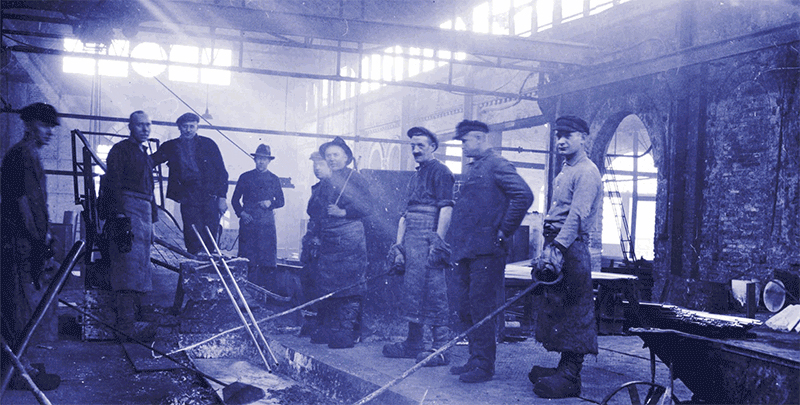
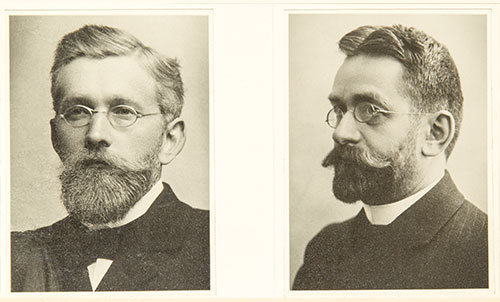
Robert Voigt, one of the pioneers of modern batch galvanising, was convinced that hot-dip galvanising was the most important method of protecting steel against corrosion using zinc. His vision: hot-dip galvanising as a professional industrial service based on precision craftsmanship and quality.
This claim is now being realised in the 4th generation in the family tradition.
ZINQ milestones
 © ZINQ
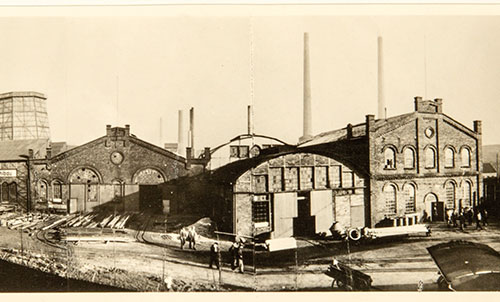
1889
Foundation of the main plant in Gelsenkirchen by Gebr.
 © ZINQ
1961
Takeover of the plant in Gelsenkirchen by Robert Voigt
 © ZINQ
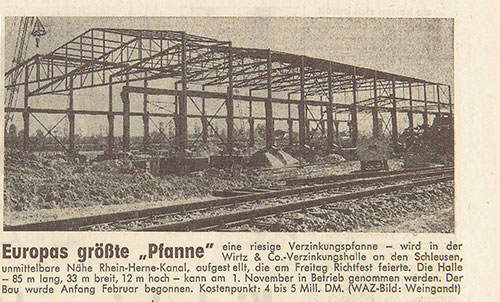
1967
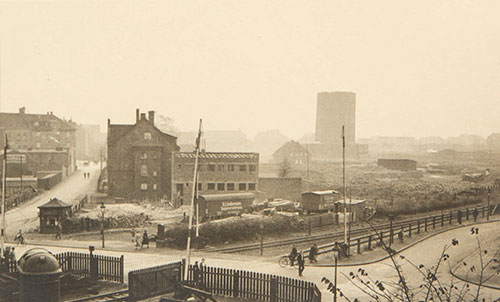
New construction of a large galvanising plant at the Gelsenkirchen site
 © ZINQ
1970
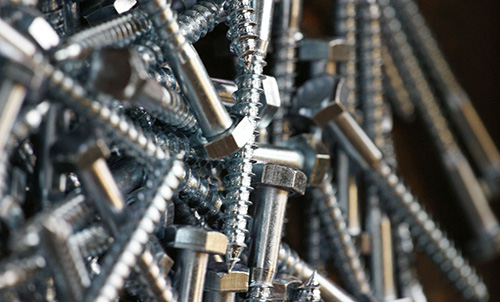
Acquisition and expansion of galvanising plants in West Germany
 © ZINQ
1972
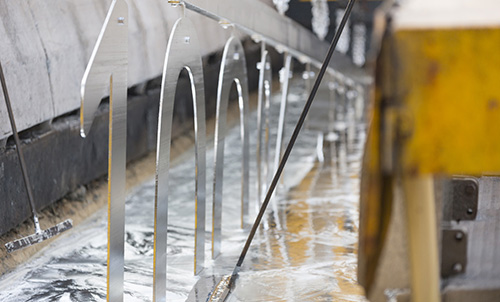
Construction of a small parts system using the high-temperature process (deltaZINQ®)
 © Björn Zölzer
1980
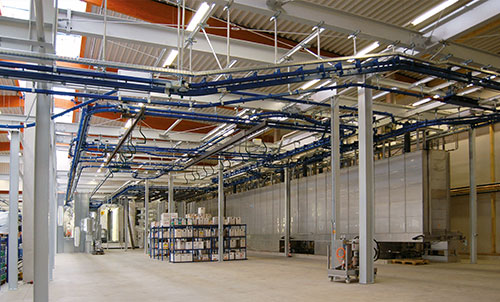
Acquisition and expansion of galvanising plants in southern Germany
1989
Construction of the first powder coating system (colourZINQ®)
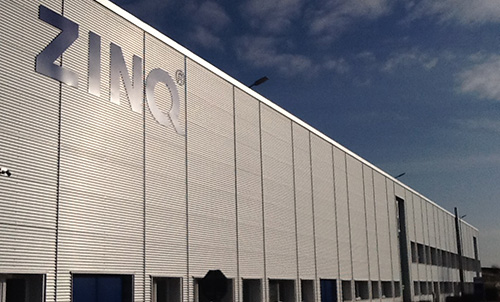
1990
Acquisition and expansion of galvanising plants in eastern Germany
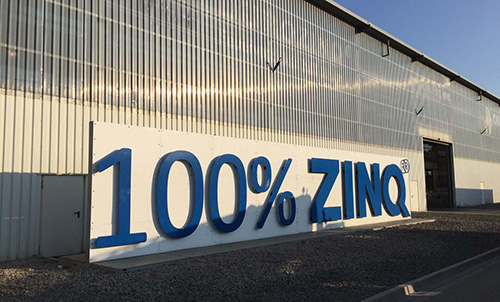
1995
Takeover of the first plant in Benelux
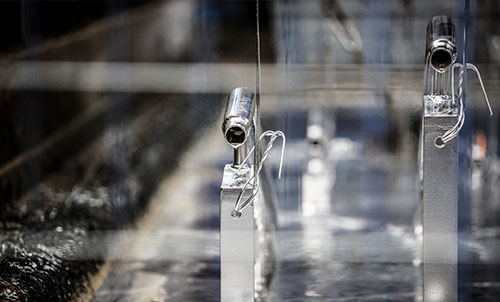
1999
Construction of the first surface treatment centre in Bruchsal (hot-dip galvanising + powder coating) Construction of the first plant in Poland
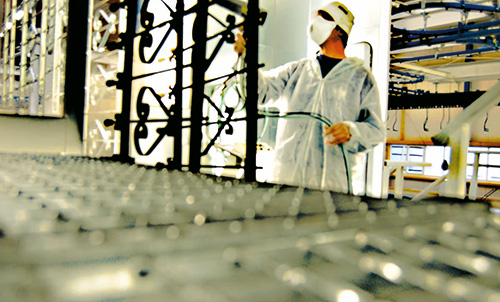
2001
Construction of the second surface centre in Leipzig
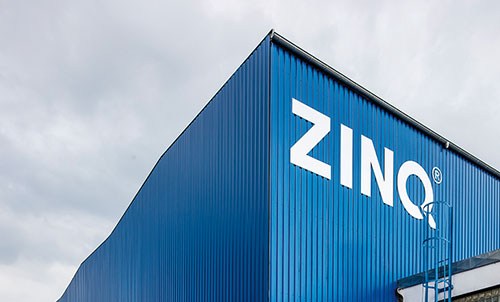
2002
Acquisition of Galva Power
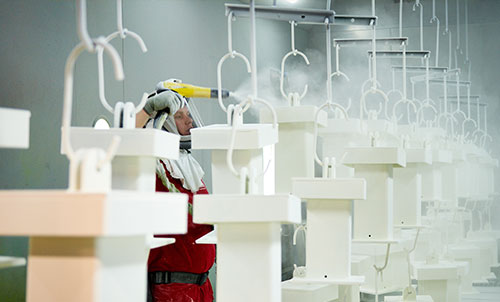
2003
Construction of the third surface centre in Emmen (NL)
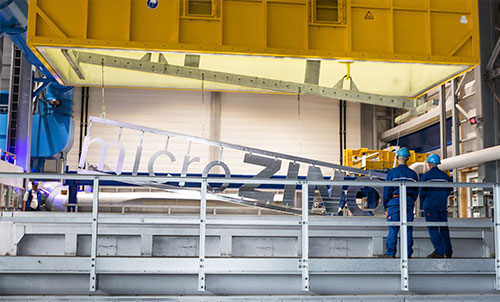 © BjörnBild
2004
Construction of the first microZINQ® system in Hagen
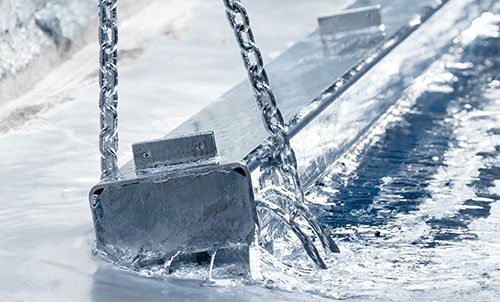 © ZINQ/Carsten Paul
2005
Award of the first duroZINQ® licence
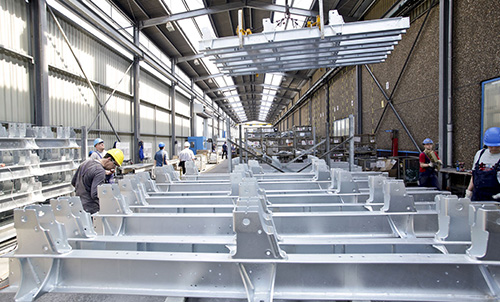
2006
Development of the logistics service provider (SENiT)
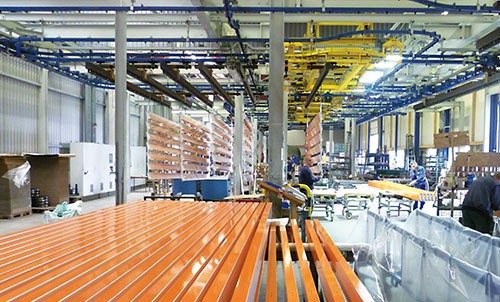
2008
Construction of the fourth surface centre in Castrop
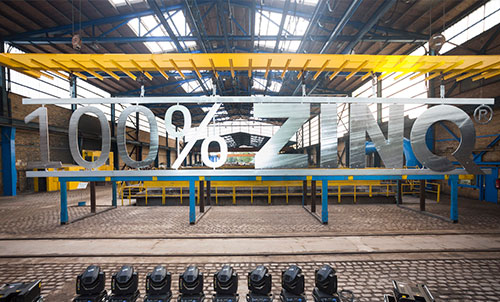
2010
Consolidation of all activities under the umbrella of Fontaine Holdings NV
 © C2C
© C2C2010
In 2010, 90 percent of ZINQ products were Cradle to Cradle Certified® and are developed and manufactured in such a way that they can be used as environmentally friendly products in biological and technical cycles, in their entirety and repeatedly, for the production of new surfaces.
 © Carsten Paul
2011
Development of the technology service provider (ZINQ® technology)
2013
Construction of the Bydgoszcz (PL) plant
2013
Implementation of measures as part of Low Carbon ZINQ for the gradual decarbonisation of processes: Conversion to green electricity, electrification of the forklift fleet, extensive use of LED lighting, efficient control technology and heat recovery systems as well as optimised process control in pre-treatment and in the zinc baths.
 © Carsten Paul
2014
Takeover of verticalgalva
2014
Internal material loops are closed by the processing of zinc by-products at specifically provided reprocessing plants. Start of the ReZINQ project and the first steps towards the complete closure of all material loops at ZINQ
2015
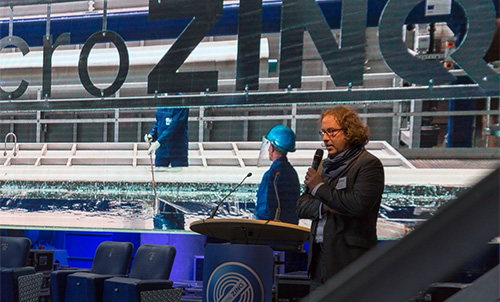
Opening of 7 m microZINQ® system in Hagen
2016
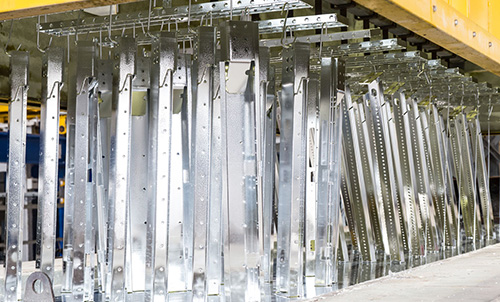
Award of the first microZINQ® licence
2018
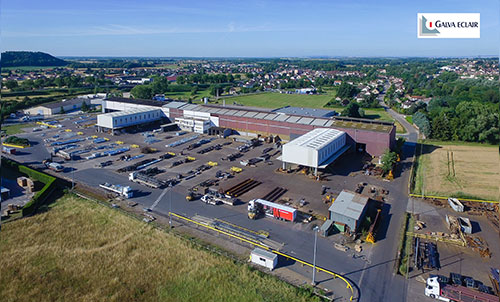
Acquisition of Galva Union (France)
 © Gigiverse
2019
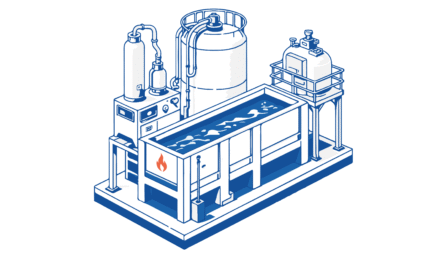
ZINQ launches a cooperation with the Westphalian University of Applied Sciences, the Westphalian Energy Institute, Küpper Solutions and Gelsenwasser to decarbonise industrial process heat
2020
Rename the group to ZINQ
 © Pexels-picjumbo, Montage: RDN/Jens Valtwies
2020
ReZINQ project continues: In a professional ReZINQ process, all zinc-containing process by-products and galvanised steel products are processed so that they can be used as recycled zinc.
 © ZINQ
2021
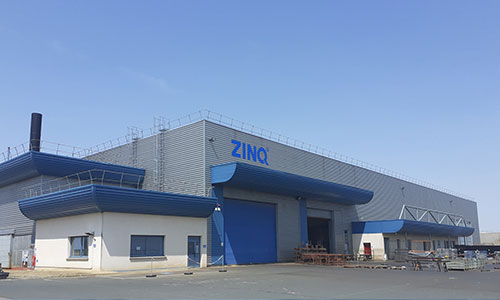
Takeover of 3 further plants by ZINQ France (ZINQ Normandie)
 © Julian Schäpertöns
2021
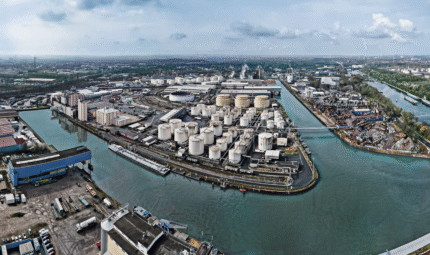
„Gelsenkirchen Climate Harbour“ initiative launches real-world laboratory for climate neutrality to implement the first prototype application of hydrogen (H₂) in process heat
 © RDN/Jens Valtwies
2021
The ZINQ CO₂ Bank is introduced.
 © ZINQ
2022
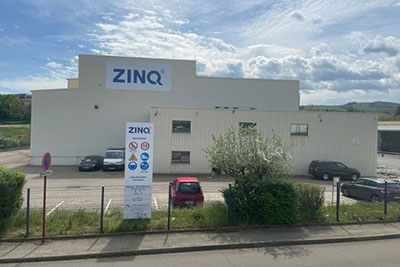
Acquisition of seven further plants in France (ZINQ Artois, ZINQ Cambrésis, ZINQ Nantes, ZINQ Loire, ZINQ Toulouse, ZINQ Landes, ZINQ Provence)
 Björn Zölzer, Gelsenkirchen (BjörnBild)
2023
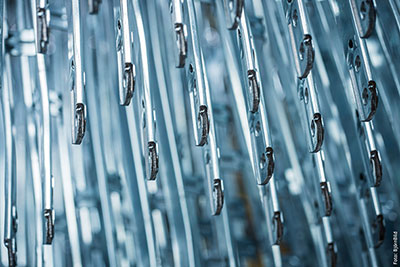
Introduction of ecoZINQ®
 © ZINQ
2023
Introduction of digital product passports for the circular economy. This makes ZINQ one of the first companies in Germany to provide transparent proof of the circular quality of its products.
 © ZINQ
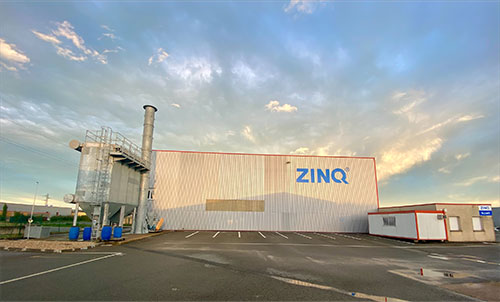
2024
Acquisition of another plant in France. (ZINQ Beaujolais)
 © Schmitz Cargobull AG
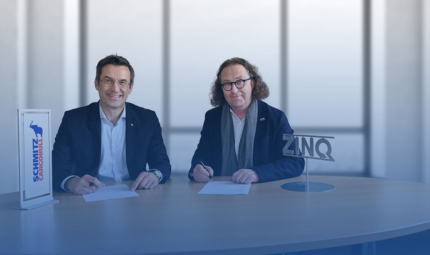
2024
Cooperation agreement with SCB - as a first step, the two companies are developing a digital product passport for vehicle manufacturing.
 © ArcelorMittal Steligence
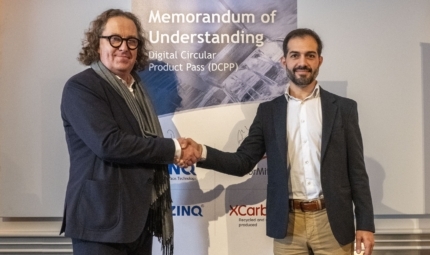
2025
Cooperation with ArcelorMittal: As part of the partnership with ArcelorMittal, the digital circular product passport (DCPP) is being used in the construction industry for the first time.
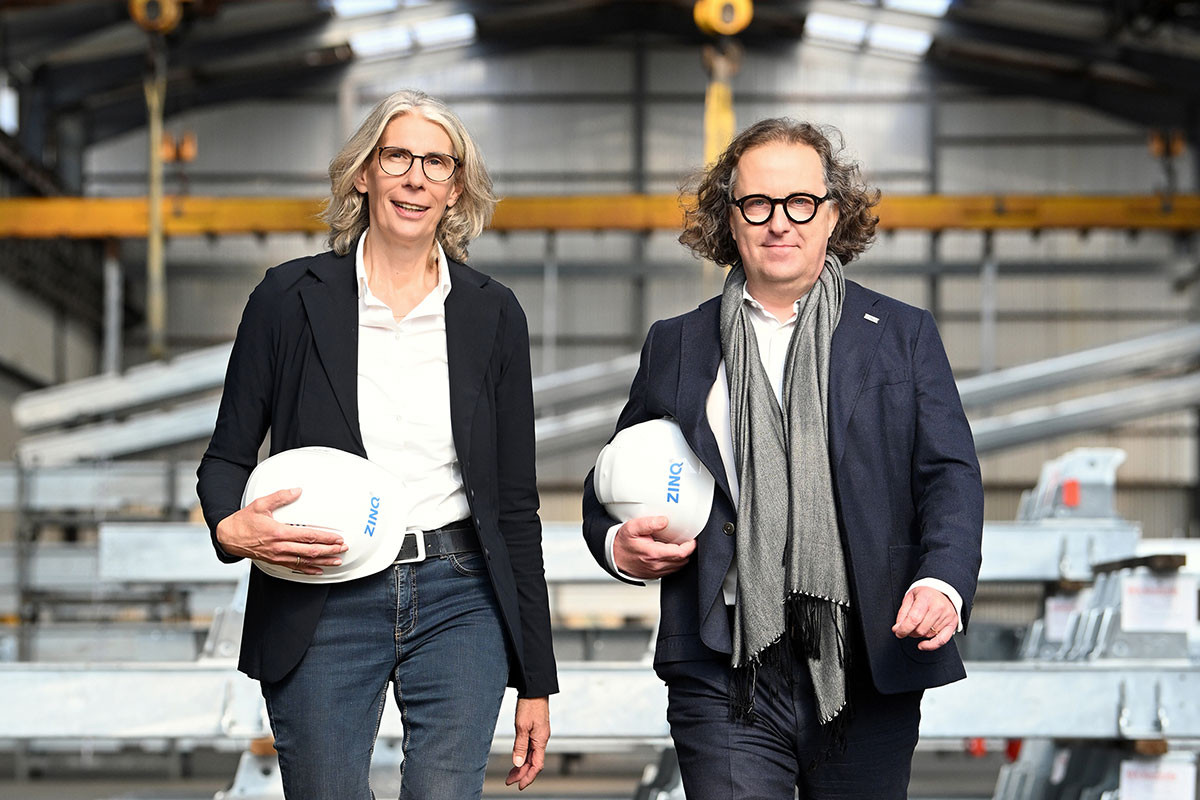 Photo: Volker Beushausen
2025
Winner of the German Environmental Award: The German Federal Environmental Foundation (DBU) awards the German Environmental Award 2025 to Dr Birgitt Bendiek and Lars Baumgürtel for their circular business model Planet ZINQ.
2025
Digital product passports: ZINQ is part of the EU ENCIRCLE project and is committed to the development of digital product passports as a central component of the circular transformation at an early stage. Digital product passports are therefore one of the eight fields of action of the Planet ZINQ circular business model. Together with partners, ZINQ is working on the concrete implementation of circular product passports and is also contributing its expertise to initiatives such as CEWI of the Climate Economy Foundation, which has developed recommendations for action for digital product passports.
 © IBA´27 / LHS
2025
ZINQ is a thematic partner of IBA'27, from glowing yellow steel sculptures to sustainable material solutions: ZINQ is accompanying the International Building Exhibition 2027 (IBA'27) as a theme partner and providing impetus for resource efficiency and circular construction.

 Deutsch
  English (UK)
  Polski
  Nederlands (België)
  Français de Belgique