
Together with ArcelorMittal, ZINQ has at STEEL.DAY in Gelsenkirchen, the Circular Structure Certificate was presented as a potential design for digital product passports for steel. It bundles information on the environmental impact and recyclability of a steel structure: the CO2footprint, the material composition as well as the possibilities for disassembly and reuse.
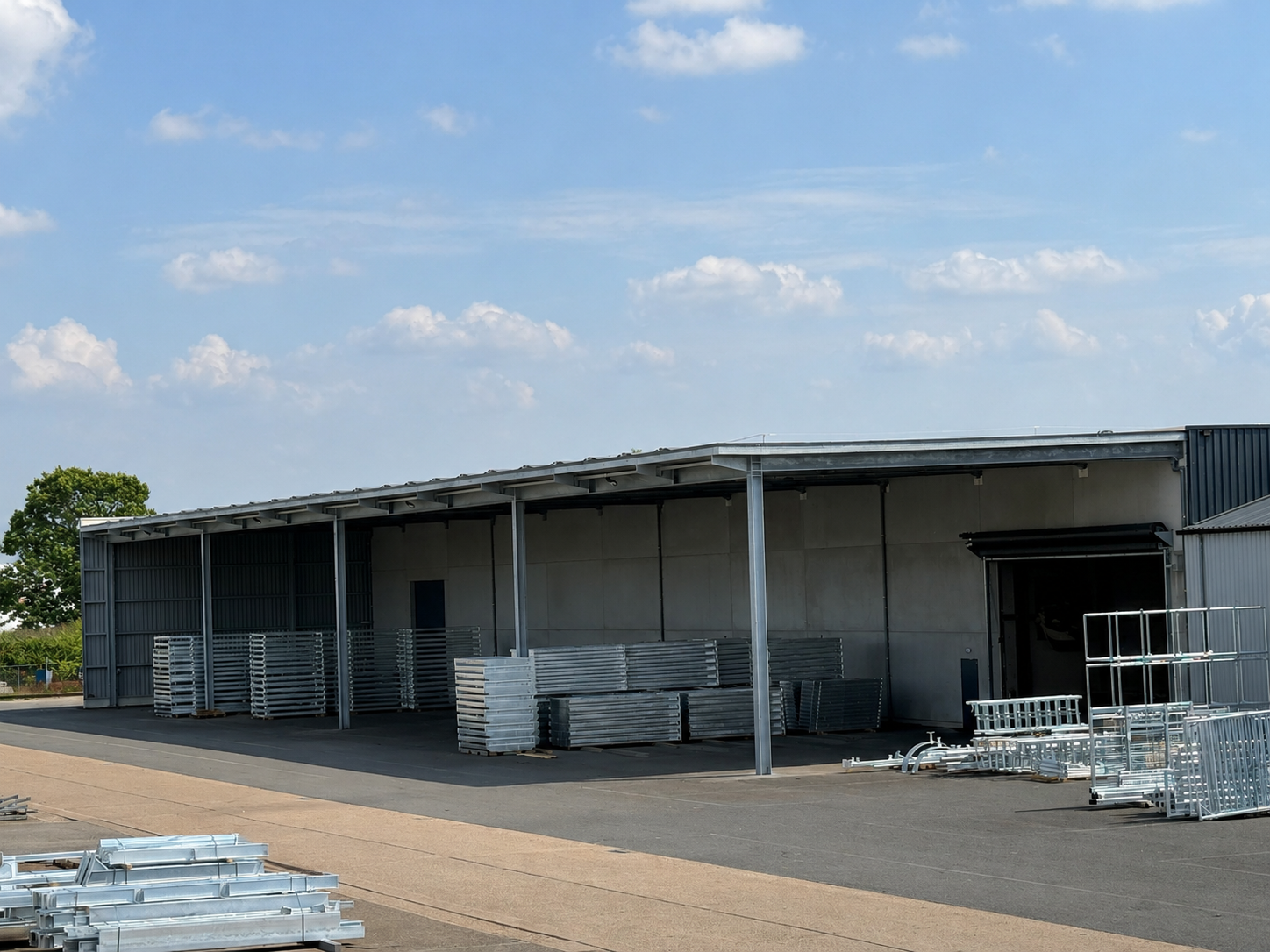
The first example was ZINQ's own production plant in Pelt, Belgium, which is used for our additional services relating to ZINQ 360 is used. The construction consists inter alia of XCarb® Recycled and Renewably Produced Steel from ArcelorMittal. ecoZINQ® protects it against corrosion. Right from the planning stage, we paid attention to the subsequent dismantling and reuse of the components.
The certificate serves as a practical example of a potential design for the digital product passport: in Q4/2026, the Ecodesign for Sustainable Products Regulation (ESPR) legal act for steel will be adopted, the core of which will be the digital product passport for steel products. With this joint prototype, we are demonstrating what bundled product information on material provenance, environmental impacts and potential end-of-life scenarios could look like in the future. To this end, we have jointly discussed which key figures matter from the perspective of the steel industry.
„The Circular Structure Certificate brings together the most important information on the hot-dip galvanised steel structure bundled for the digital product pass for the first time,“ says Anna Kraiss, Sustainability Manager at ZINQ. „This provides a great practical example of what circular and modular construction can look like.“
The Circular Structure Certificate for the production facility in Pelt is available for download here.



 Deutsch
  English (UK)
  Polski
  Nederlands (België)
  Français de Belgique